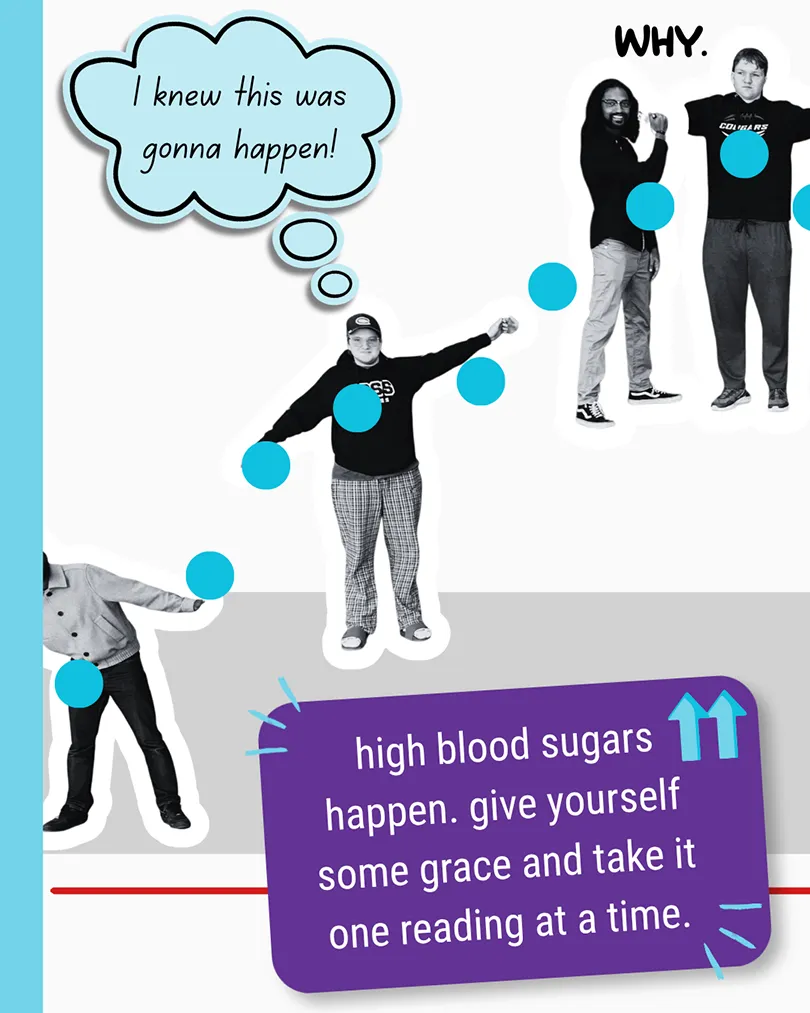
Arlene & Raphael transition story, letting go
DHF Community Blog, T1D Blog, Type 1 Diabetes Blog

T1D and Demanding Careers: Learning from Real-World Experience

Jun 8, 2026 | Diabetes Management, T1D in the Workplace, Type 1 Diabetes

T1D and Demanding Careers:

Learning from Real-World Experience

There is no single, predictable way to manage T1D in a demanding career. The reality is far more complex. It involves constant adjustment, awareness, and the ability to respond in environments where pausing is not always an option.

What becomes clear through lived experience is that managing T1D in the workplace is not something that can be fully planned in advance. It is something that is learned over time, shaped by the specific demands of the work itself.

At the same time, one important truth stands out: T1D does not need to stop you from pursuing your dream career. It does mean that adjustments are necessary, and that flexibility, preparation, and self-awareness become essential tools rather than limitations. When those adjustments are in place, people with T1D are fully capable of thriving in high-demand, fast-paced, and meaningful careers.

Insights from Professionals in Unique and Challenging Careers

This idea was reinforced in a recent the webinar conversation with David Campbell, Peter Atkins, Scotia Brailsford, and Camille Vibert, where I had the pleasure of speaking with them about their experiences working in unique and demanding careers.

Each of their perspectives highlighted that success is not about working around T1D, but rather working with it. Their insights demonstrated that with the right strategies and support, T1D becomes something you integrate into your career, not something that defines its limits.

Below are 7 key strategies for managing T1D in demanding careers from these experienced professionals.

1. Building Stability Before the Workday Begins

In unpredictable work environments, meals are not always aligned with fixed schedules. Because of this, individuals often prioritize foods that provide sustained energy and stability throughout the day, such as meals higher in protein and fat, or smaller, more frequent snacks that help maintain consistency. Insulin strategies may also be adjusted in advance based on anticipated activity levels, reducing the likelihood of sudden highs or lows.

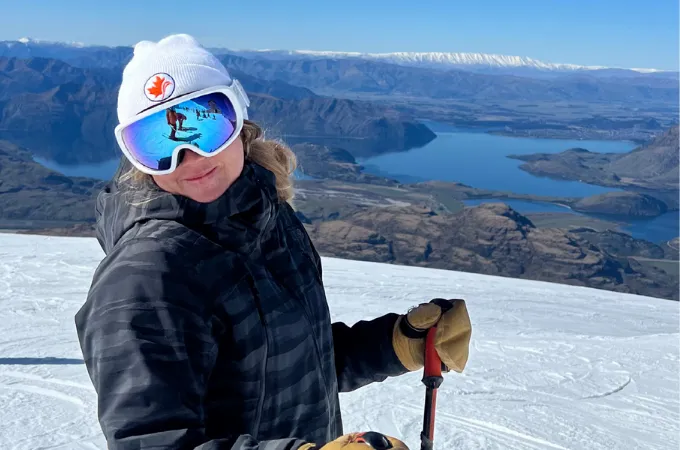
Camille Vibert, Alpine Ski Coach, emphasizes the importance of starting the day with stability:

“I’m outside pretty much all day… Every new challenge you encounter shows up also in your diabetes. That was something that happened for me moving to where I now live and coach, which is at 2,100 meters of elevation. I had skied at high elevation before, but I guess not long enough to notice its effect on my blood sugars. After living here, I now need so much less insulin.”
This reflects a shift away from rigid routines toward flexible planning that supports the realities of the work itself. Managing T1D in this way requires adaptability, preparation, and a willingness to respond to changing conditions.

Type 1 Diabetes: Living Life without Limits, blog
Camille Vibert, Alpine Ski Coach

2. Adapt Diabetes Management to the Job

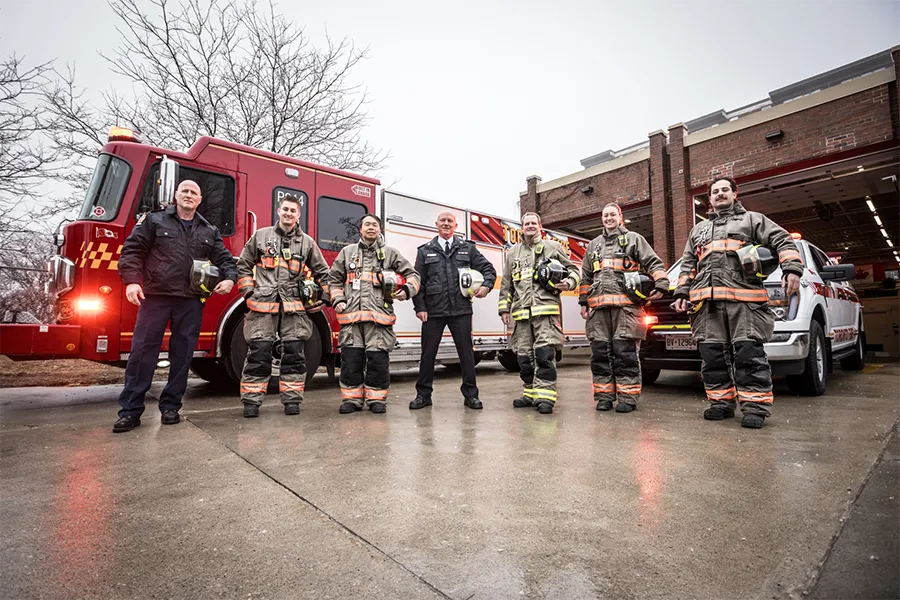
One perspective that captures this reality comes from Peter Atkins, Retired Fire Services District Chief. His experience highlights that everyone’s diabetes management looks different, and over time you figure out what works best for you in the context of your own life and work demands:

“I will just say everybody’s advocating now that you go to these shorter pen needles. My pharmacist said, ‘Why are you using these long ones [pen needles]? The shorter ones are more effective and they’re easier to take.’ I said to him, ‘Well, I’ll be honest with you, it’s because I have to put them through my uniform. I am not in a position to untuck my shirt and pull it up and go into my abdomen.”
This moment highlights how personal diabetes management often requires finding what is realistically workable within the conditions of a specific job. Standard recommendations do not always translate neatly into real-world environments, especially in physically demanding or fast-paced roles. Instead, individuals develop routines and approaches that fit their circumstances, balancing best practice with practicality in the moment.
T1D and Demanding Careers
Retired Toronto Fire Services District Chief, Peter Atkins, shown in center.

3. Anticipate Your Needs for High-Pressure Situations

Over time, these lived experiences build deeper awareness of how T1D behaves within specific contexts. In situations where time, safety, and urgency take priority, individuals are often required to make quick decisions and adjust their management strategies in real time.

Scotia Brailsford’s work as a marine biologist illustrates this clearly:

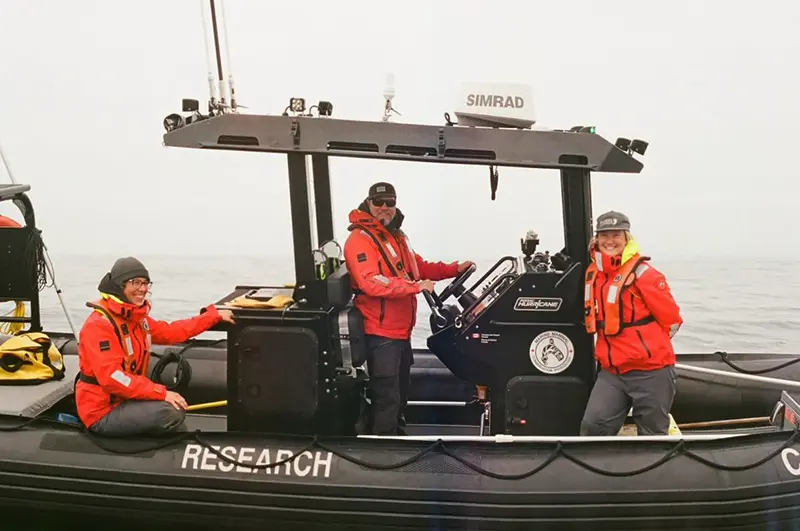
“My job entails long stretches of time where you might not be able to give yourself insulin… Encounters can last hours, and during those encounters, there’s only three people on our small boat… So I don’t have much time if my blood sugar is was high. It’s very hard for me to say, ‘Everybody wait a second, I need to go back and inject or manage my glucose’. So being proactive and being prepared is super valuable…”
In this context, preparation is not just helpful; it becomes essential. Her experience highlights how managing T1D in demanding environments requires anticipating needs before they arise, planning ahead when possible, and making fast, informed decisions in the moment. This ongoing balance allows individuals to remain safe while still fully participating in the demands of their work.
T1D and Demanding Careers, Managing Type 1 Diabetes in Demanding Careers, Type 1 Diabetes in the Workplace, Managing Type 1 Diabetes at Work, How to Manage Type 1 Diabetes in a Demanding Career
Scotia Brailsford (right), Marine Biologist

4. Create a Portable Diabetes Management System

This is also where the concept of a ‘portable diabetes system’ becomes important. Rather than relying on access to supplies in a single location, individuals carry what they need with them and often keep backups in multiple places. Fast-acting carbohydrates, extra supplies, and discreet treatment options become part of a system designed to function in real time.

Peter Atkins speaks directly to this idea: “I learnt to keep a little kit on the vehicle… Sometimes, if we were being moved forward or something, I’d put it on my person to be able to have it with me.”

This kind of planning reflects how diabetes care is embedded into unpredictable work environments, where access to resources cannot always be guaranteed. The goal is not to prepare for every possible scenario, but to build confidence in one’s ability to respond effectively when situations change.

5. Understand How Your Work Environment Impacts Your Blood Glucose Response

Work environments also shape how blood glucose responds, often in ways that are not immediately obvious.

Camille Vibert’s experience as an alpine ski coach reflects this complexity: “I’m outside pretty much all day… Every new challenge you encounter shows up also in your diabetes… at 2,100 meters of elevation… I now need so much less insulin.”

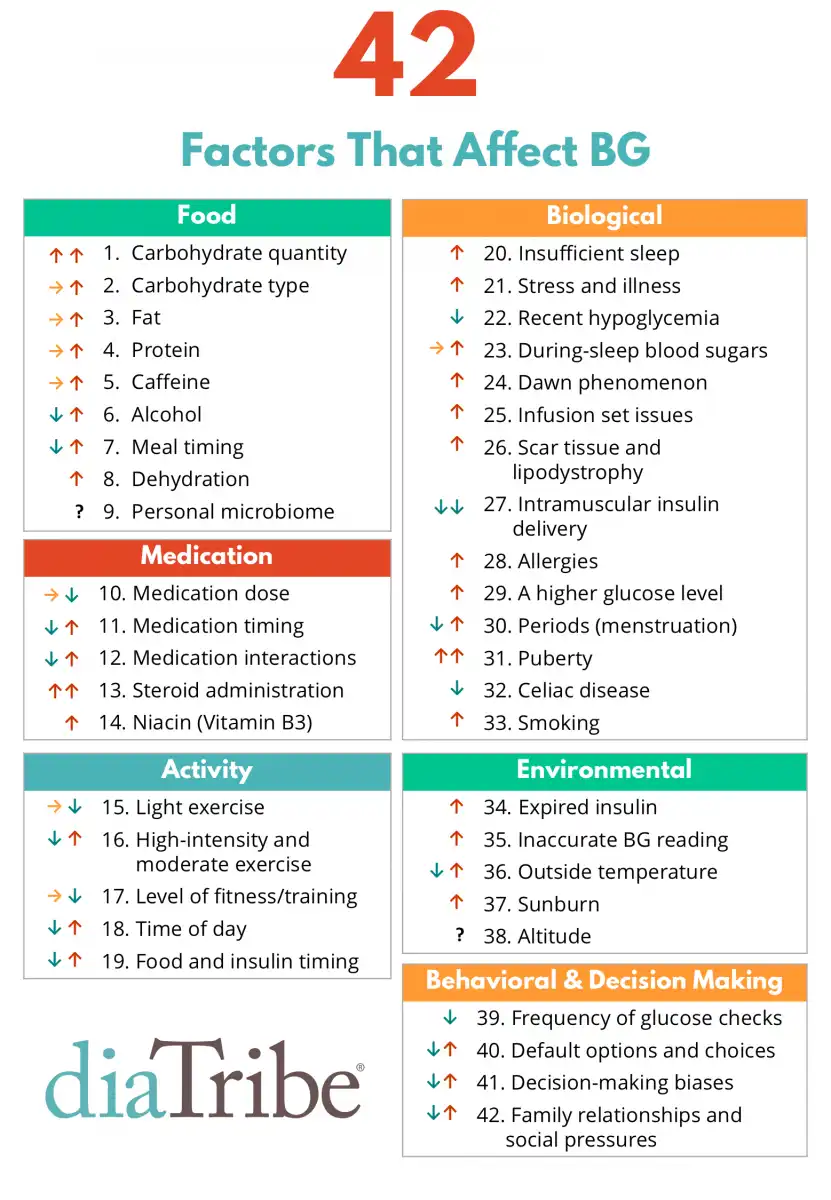
What this reveals is how environmental and physiological factors can significantly influence blood glucose levels. Often referred to in research as the 42 factors” affecting blood glucose, variables such as elevation, temperature, stress, activity level, sleep, and emotional load interact in complex and dynamic ways.

Understanding these responses takes time and observation. Patterns emerge gradually through repeated exposure, and once recognized, they allow for more informed adjustments to insulin, nutrition, and monitoring strategies.

42 factors that affect blood glucose, T1D and Demanding Careers

6. Learn to Recognize Post-Work Blood Glucose Patterns

It is also important to recognize that the effects of work do not end when the shift ends. Blood glucose responses often continue long after activity has stopped.

For example, after sustained physical exertion, blood glucose may drop hours later as the body continues to recover and restore energy stores. This is commonly known as a delayed low. At the same time, stress and adrenaline during a shift can temporarily raise blood glucose, even without food intake, followed by a sharp decrease once the stress response fades.

Because these effects can overlap, post-work patterns are often unpredictable. Fluctuations may result from a combination of physical activity, stress hormones, irregular eating, and inconsistent monitoring over long or demanding days.

7. Plan Ahead for Post-Shift Blood Glucose Changes

Post-shift lows are particularly common. As the body transitions into rest, it continues to use energy for recovery, which can lead to drops in blood glucose hours later, including overnight.

Planning for this phase is just as important as managing the workday itself. This may include having a snack before rest, checking glucose more frequently before sleep, or adjusting insulin with awareness of delayed physiological effects.

This approach reflects a shift away from rigid routines toward a more flexible and responsive form of management, one that aligns with the realities of the work being performed.

T1D and Demanding Careers, Managing Type 1 Diabetes in Demanding Careers, Type 1 Diabetes in the Workplace, Managing Type 1 Diabetes at Work, How to Manage Type 1 Diabetes in a Demanding Career

Thriving in a Career with Type 1 Diabetes

Managing T1D in demanding careers requires more than knowledge. It requires adaptability, preparation, and a willingness to learn from experience.

These experiences demonstrate that while no two individuals or jobs are the same, common patterns and strategies emerge over time. With awareness and intentional adjustments, it is possible to navigate even the most unpredictable environments while maintaining both health and performance.

They also reinforce an important message: people living with T1D are capable of pursuing any career or goal they put their mind to. While managing T1D may require additional planning and flexibility, it does not limit a person’s ability to succeed in demanding, high-performance, or unconventional professions.

Ultimately, success in these spaces is not defined by perfect stability or precision. It is defined by the ability to respond, adapt, and continue moving forward in the face of constant change.

Read more…

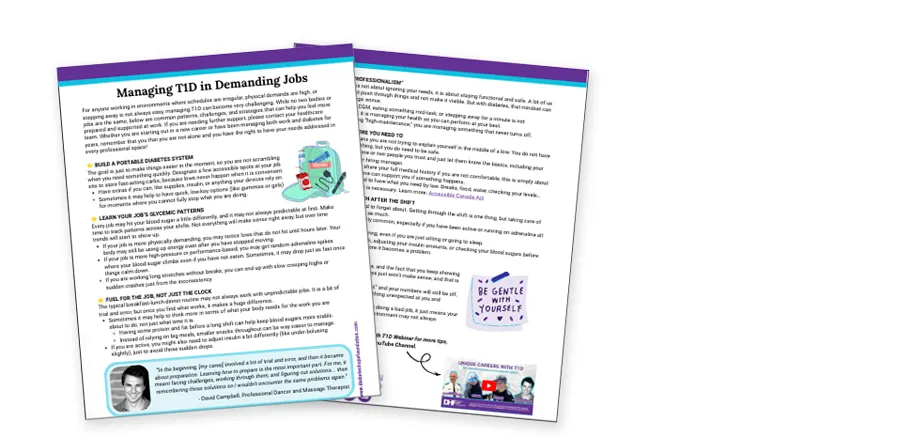
I’ve created a free, downloadable two-page resource that summarizes the key points from this blog. You can access it here >

Managing Type 1 Diabetes in Demanding Careers, Type 1 Diabetes in the Workplace, Managing Type 1 Diabetes at Work, How to Manage Type 1 Diabetes in a Demanding Career

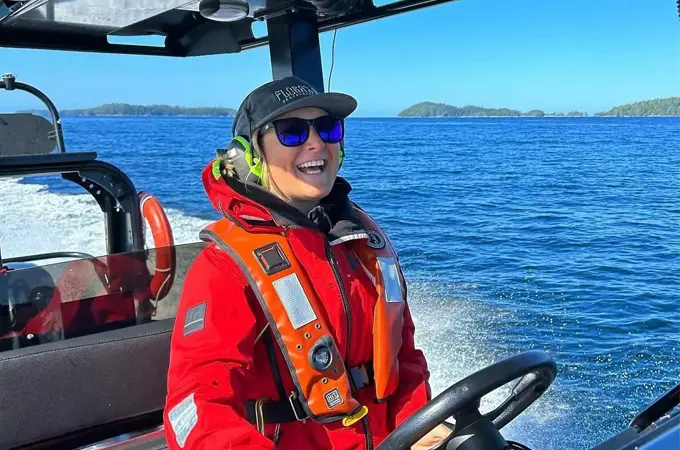
Feature photo: Scotia Brailsford, Marine Biologist, Pacific Ocean

About the Author

Abbi Cloth
Hi, my name is Abbi, and I am a DHF Scholarship recipient and have been living with T1D for nearly 19 years. During school breaks and holidays, you can usually find me in Florida, California, or somewhere a little further overseas – I LOVE to travel!!

Follow Us:

Diabetes Hope Foundation (DHF) is a Canadian not-for-profit organization founded in 1999. The foundation’s mission is to provide education and resources to help youth with diabetes transition to a healthier tomorrow. Learn more about our youth programs and resources below.

Stay Connected!

Join our mailing list to receive occasional newsletters with the latest news and updates about our programs, resources & upcoming events!

Blog Categories

Recent Posts

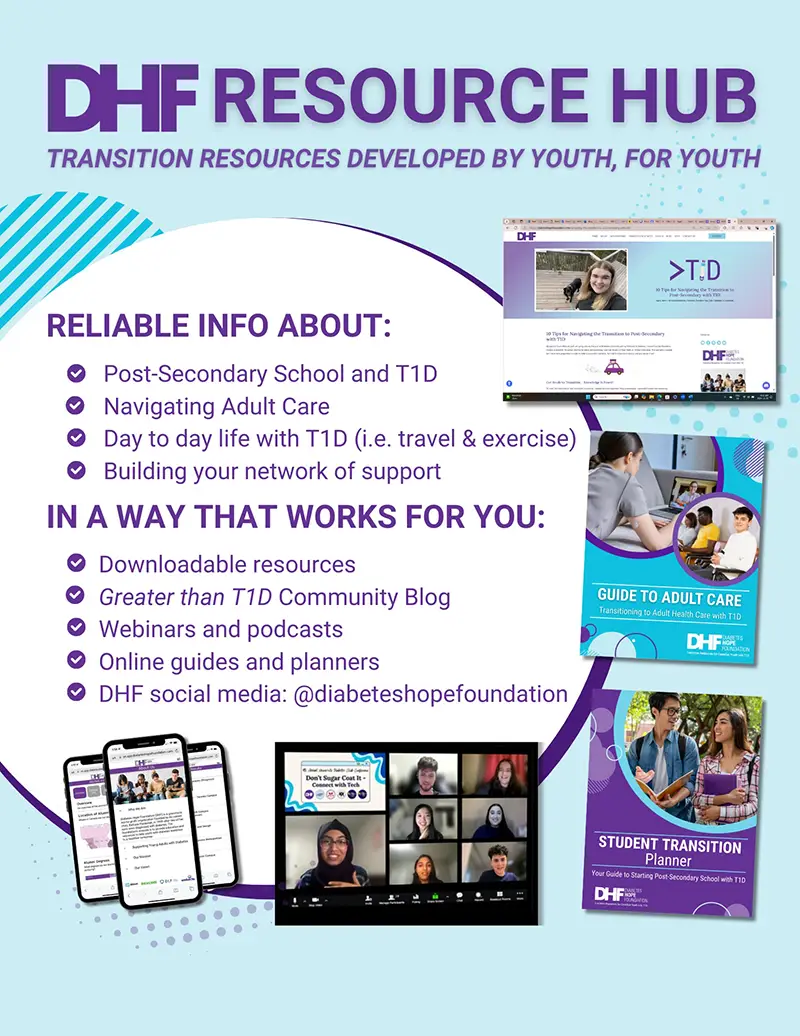
Get Ready to Transition!

Transition Resource Hub, Resource Hub, Diabetes Resources, Type 1 Diabetes Resources, T1D Resources

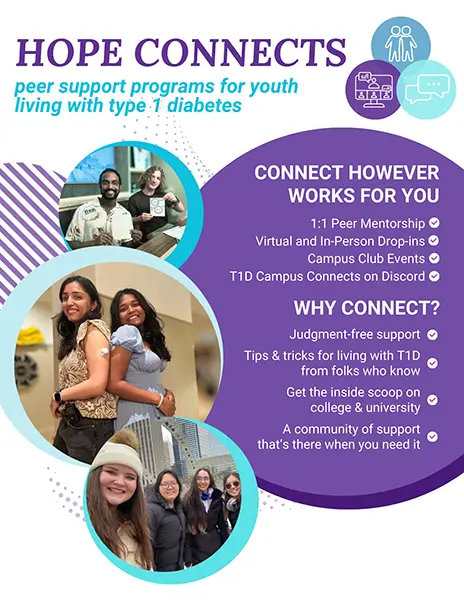
Join our DHF Community!

Hope Connect Program Flyer 2026
Donate