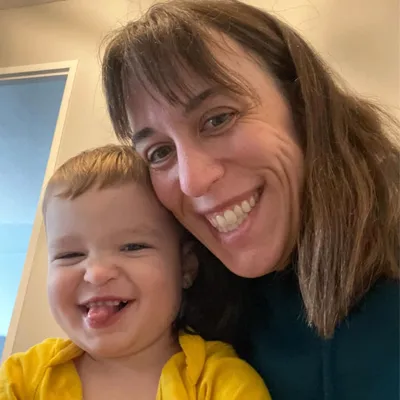
Arlene & Raphael transition story, letting go
DHF Community Blog, T1D Blog, Type 1 Diabetes Blog

Diabetes & Mental Health: Finding the Balance

May 19, 2026 | T1D and Mental Health, T1D in the Workplace, Type 1 Diabetes

Diabetes & Mental Health: Finding the Balance

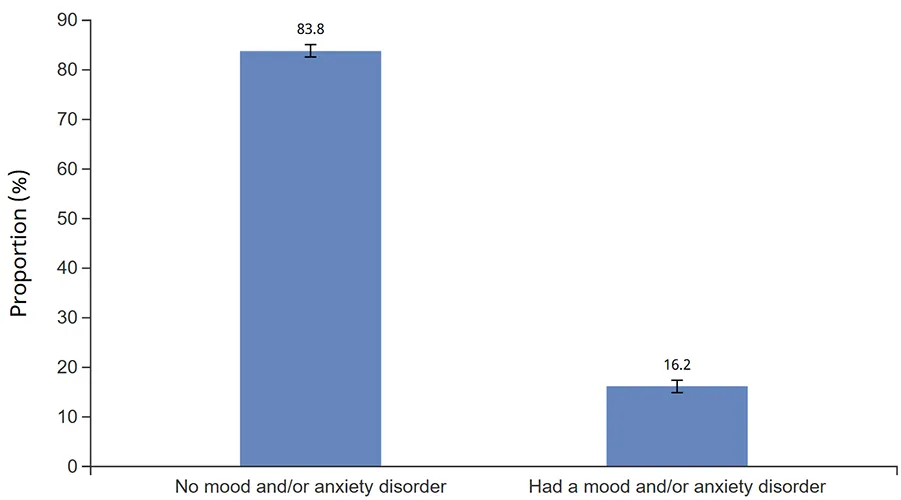
We are told by our medical professionals that diabetes can cause a myriad of other health concerns. One of those biggest concerns is our mental health. Nowadays almost everyone struggles with some form of mental health diagnosis that impacts their daily routines. According to Diabetes Canada, at least 1 in 6 diabetics live with some form of mental health condition. This has become an increasing issue for the last few years after COVID-19 and the numbers in terms of specifically what mental health conditions diabetics have is especially disconcerting because it can impact everything including our diabetes management. I am one of those diabetics.

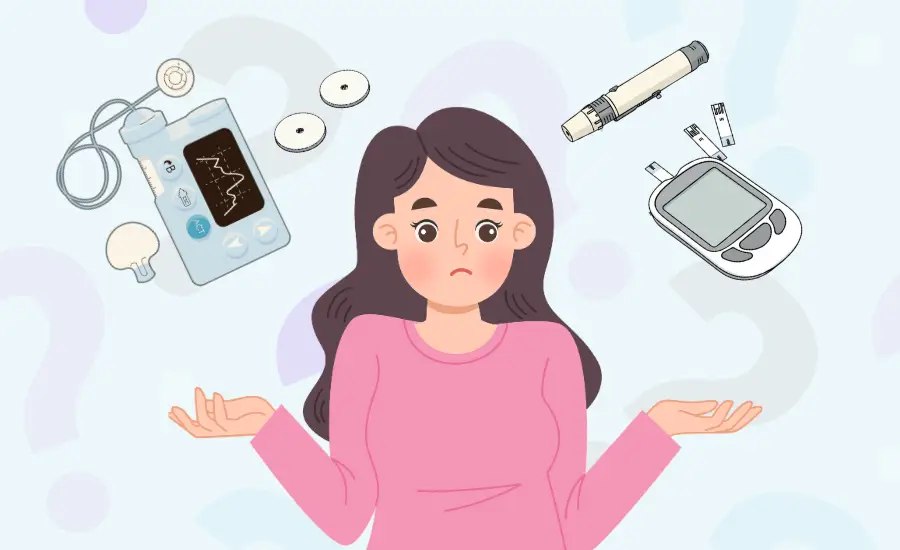
Diabetes + mental Health, diabetes and mental health, type 1 diabetes and mental health
Proportion (%) of adults aged 18 years and older with diabetes, mood and/or anxiety disorders, total. Data source: Canadian Community Health Survey, annual component (2019-2020 combined)

My Mental Health Journey

My mental health story started when I was twelve. There were growing concerns and my pediatrician thought it was best for me to talk to someone about how I was feeling. After a failed attempt with a psychiatrist, I was referred to a psychologist Dr. Robin Alter. Dr. Alter and I have worked together on my mental health for over 20 years and I’m so lucky to have her because she has helped me through all sorts of challenges including years of anxiety and three episodes of depression. Currently, she is helping me with a very difficult work situation.

How Diabetes and Mental Health Intersect

The interesting thing about being diabetic and having mental health is that parts of our mental health are caused by our diabetes and parts have nothing to do with it. My mental health can be broken into two parts. The first is I have learning and anxiety issues that were caused from the seizures I had when I was hypoglycaemic prior to becoming diabetic. The other is the anxiety issues and depression brought on by my environments such as how I grew up (home, school etc.) and throughout my secondary education leading into and throughout my career.

Diabetes & mental Health, diabetes and mental health, type 1 diabetes and mental health

When Work Impacts Your Health

In my current situation, many things have happened. I had my dream job that I worked so hard to obtain and that I wanted to make an impact in; but as time went on things changed. The biggest issue was that my diabetes and mental health were being significantly impacted in a way that I felt wasn’t safe and wasn’t being respected. I also had work accommodations set in place with support from my medical teams that weren’t being fully recognized, and I was in uncomfortable positions that didn’t allow me to succeed. So, I walked away for the betterment of myself and the betterment of my family to focus on my diabetes and my mental health.

Recovery, Resilience & Continuing to Fight

Right now, I’m recovering; but I still have a long road ahead. However, the one thing I never did was give up fighting. As diabetics we know every day is a fight with our diabetes and our diabetes management because we know what we need to be able to thrive and we learnt from an early age to advocate for the things we need to do so. With mental health, it’s the exact same thing. Every day is a fight with your thoughts and your feelings, and you know what you need to be at peace to silence those thoughts and feelings so you’re able to do what your visions of life are for you. Being able to still have the ambition to fight has allowed me to continue to see my visions of life and the hope of continuing to make them a reality despite the ever-changing world of my dream job.

Diabetes + mental Health, diabetes and mental health, type 1 diabetes and mental health

Strategies That Help Me Cope

If you’re like me; but aren’t sure what to do in this situation, here are my strategies that you can try:

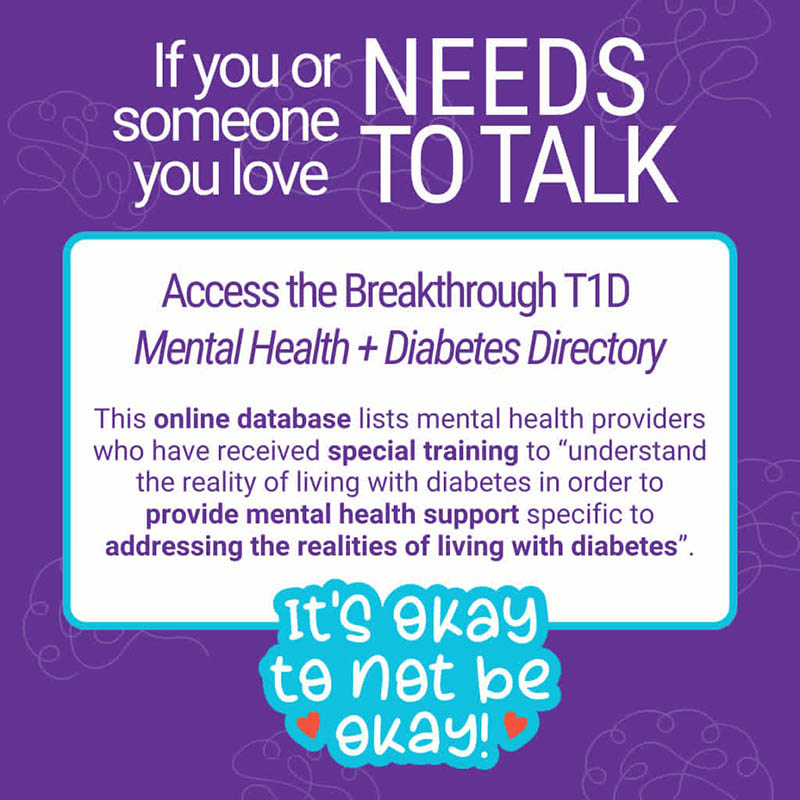
  1. Find The Best Mental Health Professional That Fits Your Lifestyle: Ask your medical teams or people you trust for referrals. Try out as many as you feel comfortable with until you find the right person for you. View the Breakthrough T1D / Diabetes Canada Mental Health Diabetes Directory to find a mental health provider near you. (Each mental health provider included in the Directory has successfully completed the Mental Health + Diabetes Training Program.)
  2. Build Strong Support Networks: This includes your family, your friends, your clubs/teammates, your community groups, your co-workers etc. The more people you have that understand your needs and can support you, the better things will be
  3. Know Your Rights & Responsibilities: We all have rights and responsibilities in every situation we are in. Everyone is expected to be treated for who they are and for what makes them who they are. If you find it difficult to do certain responsibilities, get help and have accommodations put in place to help you and talk to those that can help you with navigating your rights (i.e., medical teams, student support groups, work unions etc.) In Canada, workplace accommodations related to disabilities and chronic health conditions are protected under provincial human rights codes and the Canadian Human Rights Act. Helpful resources can be found through the Canadian Human Rights Commission and Accessibility Standards Canada.
  4. Don’t Feel Guilty or Be Afraid To Advocate: Your health conditions are a part of you; but they should never define you or be seen as a flaw or prevent you from doing the things you do. Also, the need for advocating doesn’t stop here and while you may experience tough challenges, keep fighting until you know you’ve done all that is possible
  5. Always Practice Self-Care: Make sure you stay on top of all appointments you need to maintain your health and well-being (i.e., diabetes, mental health, physiotherapy, dental, vision etc.) and book additional appointments when necessary. We also all have people we enjoy spending time with (i.e., family, friends, significant others, animal companions etc.). We also have hobbies we enjoy (i.e., creative outlets, fitness outlets, going on adventures etc.) Whatever it is, find the time throughout your daily schedule to do those things as much as possible.

Words of Strength & Hope

One of my dear friends, Heather Miller, reminded me of my strength and my resiliency, which I have been commended on throughout my diabetes and mental health journeys. Life isn’t always an easy road; but when I need it, I always look to these great words from Christopher Robin talking to his dear friend/silly old bear Winnie-The-Pooh:

“You’re braver than you believe, stronger than you seem, and smarter than you think, (and loved more than you know).”
These words help to fill me with the peace I need, the desire to continue to fight and the hope that despite all the challenges that everything will be okay. Hopefully you can do the same.
Diabetes & mental Health, diabetes and mental health, type 1 diabetes and mental health

About the Author

Kristin bio
Kristin is a 2009 DHF Scholarship recipient and has been an active volunteer with DHF since receiving her scholarship. She was diagnosed with diabetes when she was 8 years old after having 95% of her pancreas removed at the age of 3. Kristin has a BA from TMU in Child and Youth Care, and shares her two-year-old son, Casey, and six-year-old Devon Rex cat, Oscar, with her husband, Jonathan.

Follow Us:

Diabetes Hope Foundation (DHF) is a Canadian not-for-profit organization founded in 1999. The foundation’s mission is to provide education and resources to help youth with diabetes transition to a healthier tomorrow. Learn more about our youth programs and resources below.

Stay Connected!

Join our mailing list to receive occasional newsletters with the latest news and updates about our programs, resources & upcoming events!

Blog Categories

Recent Posts

Get Ready to Transition!

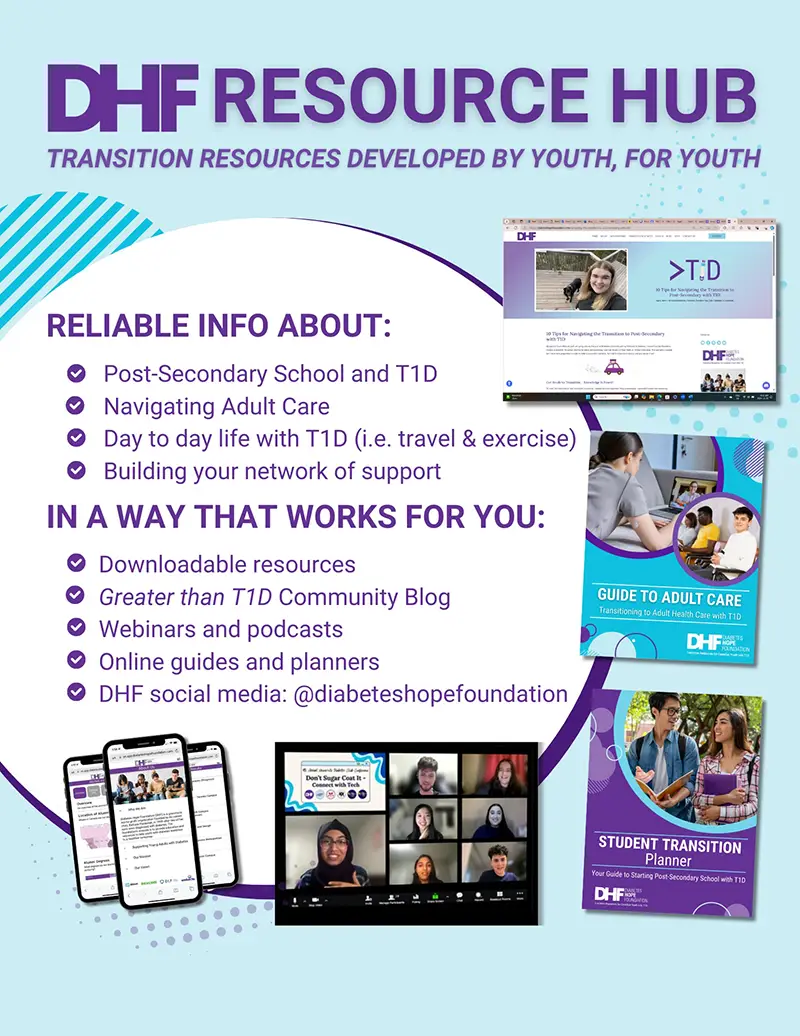
Transition Resource Hub, Resource Hub, Diabetes Resources, Type 1 Diabetes Resources, T1D Resources

Join our DHF Community!

Hope Connect Program Flyer 2026
Donate